A Butterfly Flowers Embroidery Design Review for Craft Fair Success
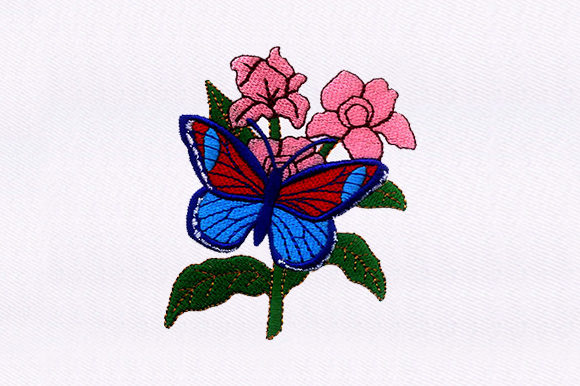
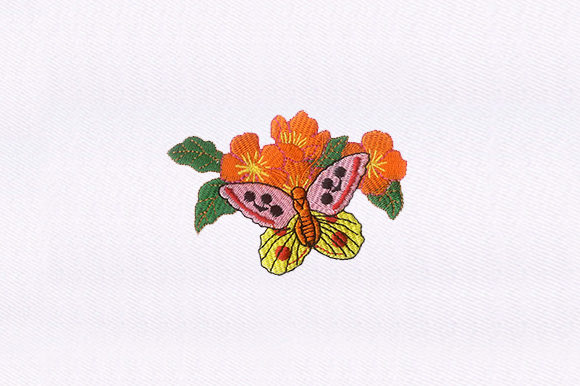
As an embroidery designer preparing for a weekend craft fair, the first question I ask about any new design is: will it help my booth stand out? When I look at Butterfly Flowers, my immediate impression is one of soft, decorative elegance. It’s not bold or minimalist, but it carries a premium, handcrafted feel that appeals to customers looking for something beautiful and timeless. This is a design that whispers rather than shouts, which can be a powerful selling point in a crowded marketplace.
Where Butterfly Flowers Shines on Your Booth Products
My mental inventory starts with the physical products I’ll be displaying. Butterfly Flowers belongs in the Single Flowers category, which means it’s a self-contained, focal piece. This makes it incredibly versatile for craft fair products.
On tote bags and market bags, this design becomes an elegant upgrade. It transforms a simple bag into a giftable item. For aprons and tea towels, especially on a natural linen or a crisp white cotton, it introduces a touch of garden charm without being overly rustic or farmhouse. It feels more refined. A small fabric pouch with this embroidery on the flap instantly looks like a special gift.
One of its strongest applications might be on pillow covers. The elegant, decorative nature of Butterfly Flowers lends itself perfectly to home decor, adding perceived value. As an embroidered patch, it could be stunning, but this depends entirely on the stitch detail and density—a point I’ll come back to.
The design’s mood makes it less suited for a cap, where curved surfaces and casual styles often demand bolder or funnier motifs. Its elegance is better showcased on flat, display-friendly surfaces like bags and pillows.
Practical Production: Making Butterfly Flowers Sell
Turning a digital embroidery file into a profitable handmade product requires a practical eye. The provided format list (10O, ART, CND, DSB, DST, DSZ, EXP, HUS, JEF, PCS, PEC, PES, TAP, VIP, VP3, XXX) is extensive, meaning most machines will be compatible. However, the real work begins with testing.
Before batch-producing any craft fair product, I must test this design on scrap fabric. I need to see how the thread colors interact with my actual materials—will it pop on a dark fabric or get lost? I must check stitch density in the butterfly and flower elements. High density on a textured towel or a lightweight bag can cause puckering or stiffness, harming the handmade quality feel.
I also need to confirm the hoop size requirement. A design like this could range from a 4"x4" accent to a larger 6"x6" focal point. Its success as a small accent depends on whether tiny details, like delicate butterfly antennae or small petals, retain clarity when stitched small. If they blur, it’s better used as a larger, central design.
Critical Points for Customer Appeal & Production Flow
Visual Appeal & Customer Attention: At a fair, customers scan tables quickly. Butterfly Flowers’ elegance will attract a specific buyer—someone looking for beauty over humor. It increases product value by signaling careful artistry. To maximize this, the products must be impeccably made: using the right stabilizer, ensuring clean stitches, and selecting fabric colors that enhance, not fight, the design.
Photographing for Online Sales: For my Etsy listing or other online shops, this design should photograph beautifully. The soft, decorative elements catch light well. Creating at least one real mockup for photos is better than relying only on a printable mockup—real thread texture sells the handmade story.
Batch Production & Brand Consistency: Is Butterfly Flowers repeatable? If the stitch count is reasonable and the design runs cleanly on my machine, it can be a great small shop product for batch-making a line of coordinated tea towels or pouches. This builds brand consistency across my booth. However, I must review spacing and any potential thread breaks that could slow down production.
Careful-Use Notes for a Smooth Selling Experience
Every design has its considerations. For Butterfly Flowers, I’m particularly mindful of:
- Dense stitch areas: If the flower centers or butterfly wings are too dense, they may not stitch well on curved surfaces like caps or on thicker fabrics like some bag materials.
- Small details: If scaled down for a petite pouch accent, will the design lose its elegant definition? Testing at multiple sizes is key.
- Dark fabric application: The design’s mood suggests lighter thread colors. On dark fabric, thread contrast must be strong enough to maintain the elegant look, not just a faint ghost.
- Commercial embroidery readiness: Before selling any finished product, I must absolutely confirm commercial licensing terms for this machine embroidery design. The file format list is a technical detail, but the license is a legal one.
Final Booth Strategy with Butterfly Flowers
In my final booth display, I would place Butterfly Flowers products in a cohesive group. An embroidered pillow cover next to a matching tea towel and a tote bag creates a booth display strength that tells a story. It engages buyers by showing versatility. The design’s soft elegance encourages touch and closer inspection, which is half the battle at a fair.
My advice to fellow embroidery business owners and boutique makers is this: Butterfly Flowers has the inherent beauty to sell. But its success on your handmade products depends entirely on your diligent preparation. Test it, photograph it well, and place it on products where its decorative elegance can be fully appreciated. When done right, it won’t just be another embroidery file; it will be a highlight of your craft fair table and your online shop, appealing directly to customers seeking a touch of handmade, floral grace.