A Professional Review of Floral Embroidery Texture Digital Paper
As an embroidery designer who works with both digital assets and physical thread, I approached Floral Embroidery Texture Digital Paper with a specific question: could this graphic collection translate into successful, sellable embroidery projects? After evaluating it for potential use in upcoming customer orders—from boutique tote bags to personalized baby blankets—here’s my honest, practical assessment.
First Impression: A Designer’s Eye on Texture and Mood
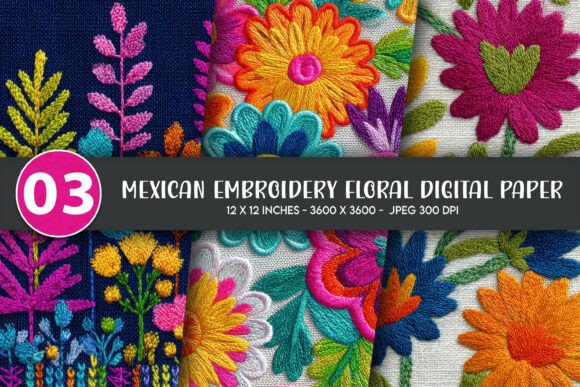
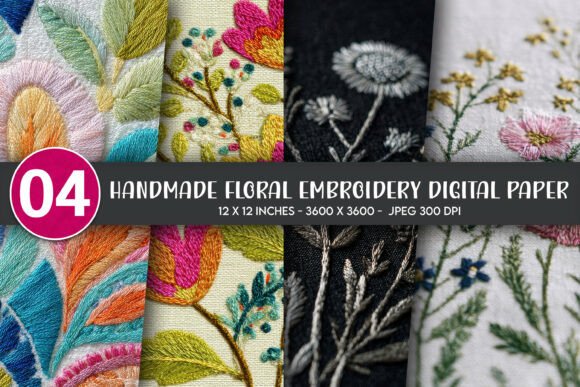
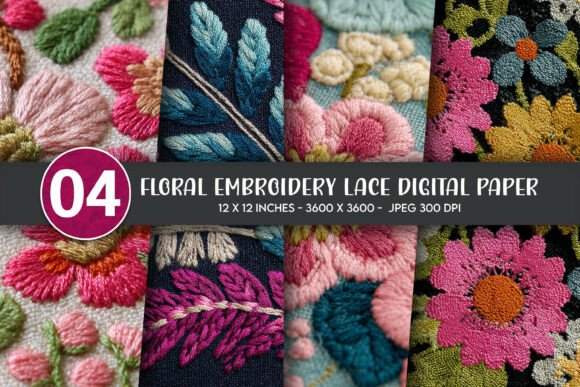
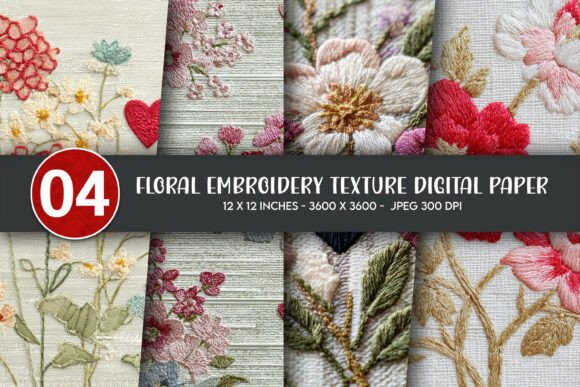
My initial reaction was that this is a set with strong decorative appeal. The "embroidery texture" aspect is key; it evokes the tactile feel of satin stitches and fill stitches without being a literal machine embroidery design file. The floral patterns carry a gentle, romantic personality, leaning towards vintage-inspired wall art or delicate gift items. They don’t scream "bold statement piece," but rather suggest a subtle, elegant embellishment. This mood naturally fits projects for nurseries, heartfelt gifts like pillow covers or kitchen towels, and merchandise for a softer brand aesthetic.
Considering Real Project Applications
I immediately began mentally placing these designs onto real products. The description lists applications like t-shirts, onesies, tote bags, and throw pillows, which aligns perfectly with common embroidery work. For a small business owner, these graphics could serve multiple roles.
As Direct Embroidery Inspiration
While this product is categorized under Illustrations and Graphics, not as a direct embroidery file, its high-resolution detail makes it a superb reference. You could use these patterns to inspire a custom machine embroidery design or applique design. For example, the intricate floral textures could guide your choice of stitch types when digitizing a similar motif for a cap or an embroidered patch.
For Printable Mockups and Brand Presentation
This is where Floral Embroidery Texture Digital Paper shines for commercial use. Creating product mockups for your Etsy listings or website is crucial. These high-quality backgrounds can make your photographed embroidered sweatshirt or tote bag look professional within a styled scene, elevating buyer trust and visual appeal. They help frame your handmade product as part of a cohesive brand story, enhancing giftability and customer engagement.
Practical Embroidery Performance Considerations
If you are thinking of using these patterns as a guide for actual stitching, several practical notes come to mind. These are crucial for ensuring the final embroidered product meets quality standards.
- Detail Level & Stitch Density: The floral textures appear dense. Translating this into an embroidery file would require careful management of stitch density, especially on stretchy fabric or curved cap surfaces, to prevent puckering.
- Small Details: Some intricate lines might become lost if reduced for a very small hoop size. Always test a similar motif on scrap fabric first.
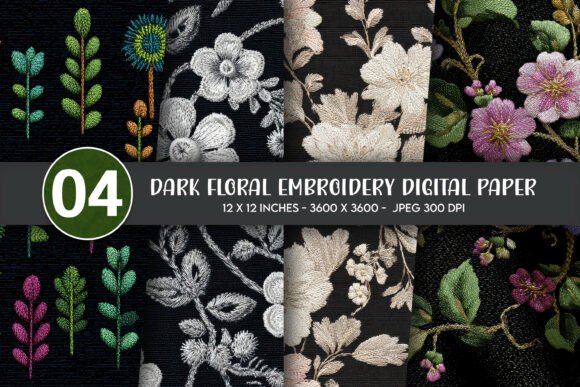
- Color Contrast: The designs seem suited for lighter backgrounds. For dark fabric applications, you would need to plan thread color contrast carefully, possibly using lighter or brighter threads to maintain visibility.
- Fabric & Product Type: For items needing frequent washing, like aprons or baby onesies, a simplified, stable version of these textures would be more durable than attempting to replicate every minute detail.
Steps for Successful Project Integration
Before committing this asset to a real customer order, I follow a disciplined process. Here’s what I would advise fellow crafters and apparel decorators.
- Check the Product Details Page: Since specific file formats, licensing terms, and exact resolutions aren’t detailed here, always review the full Creative Fabrica product page before using any asset for commercial embroidery products. Confirm it’s suitable for selling finished items.
- Create Light and Dark Fabric Mockups: Use the digital paper in a software editor to visualize your embroidered design on both light and dark background mockups. This previews final appeal.
- Embroider a Test Sample: If using as inspiration for a digitized design, stitch a sample on your target fabric—a canvas tote bag, a cotton sweatshirt—using proper stabilizer. Inspect the small details after stitching.
- Evaluate for Product Value: Does the final stitched piece feel premium? Does it align with your handmade presentation and brand consistency? A successful integration should elevate the product's perceived value.
Final Verdict for the Working Designer
Floral Embroidery Texture Digital Paper is a versatile asset, but its worth depends on your intended use. As a direct embroidery file, it is not—that’s important to understand. As a high-quality design resource, it holds significant potential. For enhancing product photography, creating branded mockups, or inspiring the aesthetic of your next custom apparel series, it’s a strong contender. For the embroidery designer looking to enrich their visual toolkit and create a more professional shop presence, this digital paper is a thoughtful addition. However, its translation into physical thread and fabric requires careful digitization and testing, adhering to core embroidery principles like managing stitch density and choosing appropriate stabilizers. Approach it as a beautiful blueprint, not a ready-to-stitch solution, and it can genuinely support creating more engaging and appealing handmade products.