An Embroidery Designer Reviews the Yellow Flowers Baby Bib
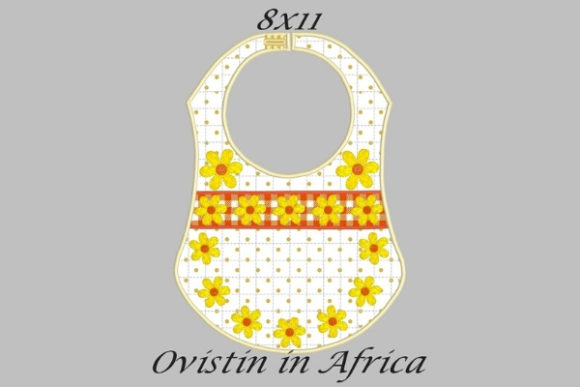
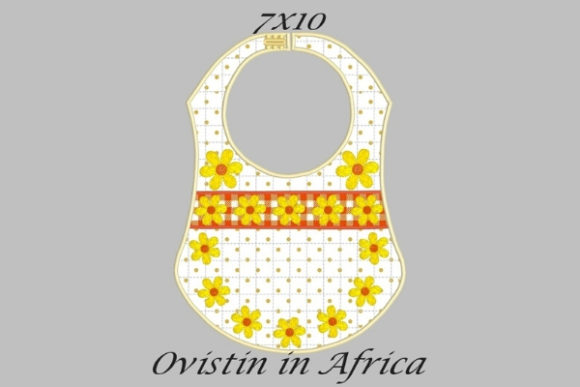
Looking over a design like the Yellow Flowers Adorable Baby Bib Small before a big weekend craft fair is a crucial step. It’s the moment you decide if a design is going to be a star in your booth or just take up valuable table space. My first impression from the title and description is that this is aiming squarely for that soft, cute, and professional nursery category. The mention of double applique, batting, and towel backing signals a product built for function and a premium handmade feel.
Where This Design Stands on the Craft Fair Table
Imagine your display: tote bags, aprons, tea towels, caps, and pouches all competing for attention. A baby bib is a niche product, but a strong one. The Yellow Flowers Adorable Baby Bib Small would stand out in a dedicated nursery section or as part of a “gift for new parents” collection. Customers notice items that solve a problem and look beautiful. A bib with a towel backing promises practicality, while the “adorable” yellow flowers design promises charm. It won’t be your highest-volume seller like a tote bag might be, but it can command a higher price point and attract a specific, grateful buyer.
The Mood and Versatility for Other Products
The mood here is undeniably cute and soft—perfect for nursery items. But is this embroidery file versatile enough for other products to maximize its value? Let’s think practically. Yellow flowers on a baby bib suggests a design that is likely decorative, not overly dense, and probably medium in scale. This means it could translate beautifully to other small, giftable items. A simplified version could work as a sweet accent on a tea towel embroidery corner or a small fabric pouch. It might scale up nicely for a pillow cover in a child’s room. However, the “adorable” detail suggests possible small elements. For embroidered patches or applications on curved surfaces like caps, you must be cautious. Tiny floral details can lose clarity on textured towels or thick fabrics.
Practical Production and Selling Points
From a production standpoint, the description highlights techniques like double applique and batting inlay. This tells me the finished bib is meant to feel substantial and high-quality. For you as the maker, this adds time and material cost, but also significant perceived value. For batch production at a fair, you need to ask: Is this design repeatable? Applique can be efficient if mastered. The design itself, being floral, is likely easy to understand at a glance—a huge plus for quick customer engagement at a busy booth. It photographs well; soft yellow on white or pastel fabric is a classic, clean look for Etsy listings and printable mockups.
As a focal design on the bib itself, it should work perfectly. But consider its use as an accent on larger items. Does it have a clear focal point? Could it be stitched smaller on a tote bag strap or an apron pocket without becoming a muddy blob? These are questions you answer by testing.
Careful-Use Notes for the Embroidery File
- Density and Detail: Floral designs can have dense stitch areas in petals or leaves. On a towel backing (a textured fabric), you may need a heavier stabilizer to prevent puckering.
- Scale: The design is intended for a small bib. If you plan to use this machine embroidery design on larger items, test the scaling first. Small, intricate lettering or delicate stems might vanish.
- Color Contrast: Yellow flowers require good contrast. On dark fabrics, the cheerful mood might be lost unless you adjust thread colors. Always test on scrap fabric first.
- Hoop Size and Stabilizer: The bib construction suggests a specific hoop size and stabilizer approach for the applique and batting. Confirm the recommended hoop size from the file before production.
Turning the Design into Booth Success
How does the Yellow Flowers Adorable Baby Bib Small affect your booth’s overall strength? It adds variety and targets a specific customer segment. It showcases your skill in applique and functional construction, boosting your brand’s reputation for handmade quality. To drive engagement, display it alongside a few other nursery items—maybe a burp cloth with a simpler flower accent from the same design file. This creates a cohesive, professional display that encourages multiple purchases.
For craft fair product selection, the bib is a calculated choice. It’s not the item everyone buys, but it’s the item that makes a new parent stop and smile. That emotional connection is a powerful sales tool. Its professional finish (towel backing, batting) justifies a higher price, increasing your average sale value.
Final Designer Notes Before You Stitch
Before you commit to producing a batch for your fair or your small shop product line, do this:
- Create a real mockup. Stitch the design on the actual bib materials. Feel the weight, check the towel backing’s texture with the stitches.
- Compare fabric colors. See how the yellow looks on different pastel backgrounds. Off-white, pale gray, and light green can change the whole feel.
- Inspect stitch density. Run the file and look for areas that might be too thick, which could challenge the batting inlay or cause thread breaks during batch production.
- Review licensing. The description doesn’t mention commercial terms. Always confirm commercial licensing for the digital embroidery file before selling finished products.
- Consider your booth samples. Have one bib beautifully displayed and perhaps one in a “how it’s made” section to show the applique layers, educating customers and highlighting the value.
In conclusion, the Yellow Flowers Adorable Baby Bib Small represents a solid opportunity in the nursery and gift market. Its described construction promises a premium product, and the floral theme has versatile potential. Your job as an embroidery business owner is to validate that potential through practical testing and to position it within your booth to tell a story of craftsmanship and care. That’s what turns a good design into a successful handmade product.