A Designer's Review: Using the 3D Textured Floral Embroidery Digital
As an embroidery designer with years of experience selling handmade goods, I constantly look for embroidery files that look beautiful in the preview but also perform flawlessly on real fabric. When I saw the 3D Textured Floral Embroidery Digital on Creative Fabrica, it caught my eye as a potential asset for a client's custom tote bag order. This review is my honest assessment after considering this design for practical, commercial use.
First Impression: A Versatile, Modern Floral Motif
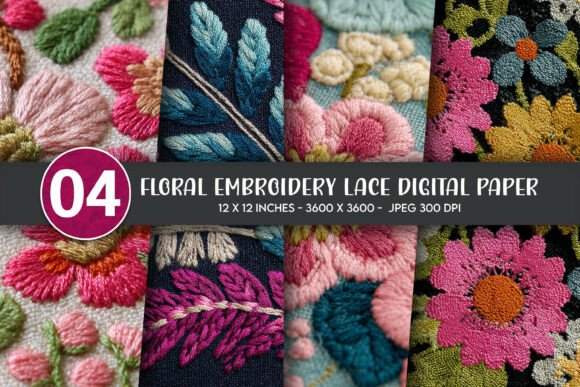
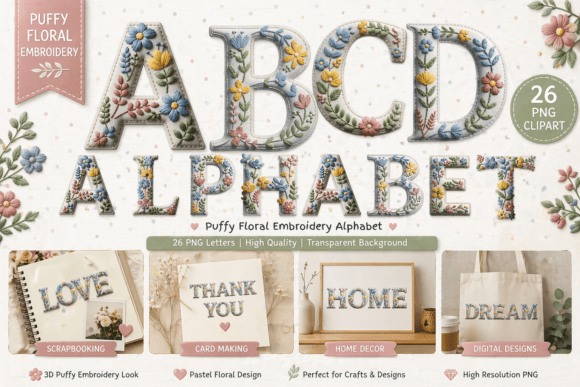
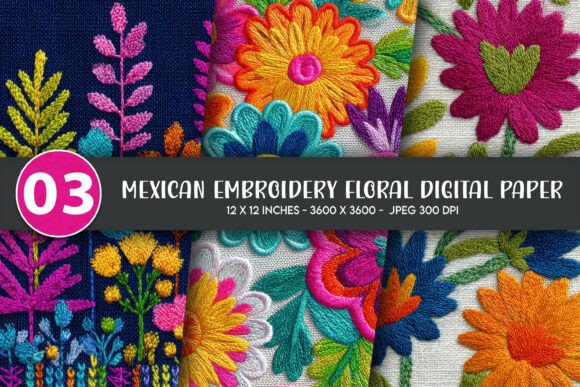
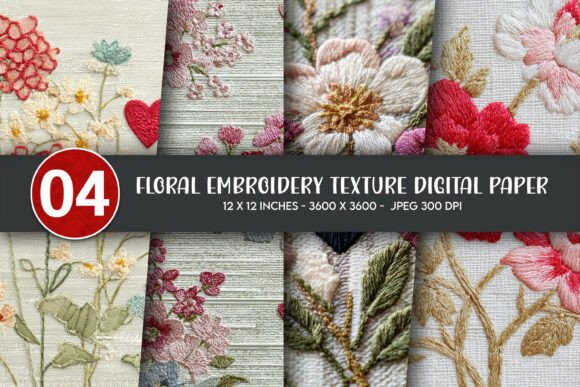
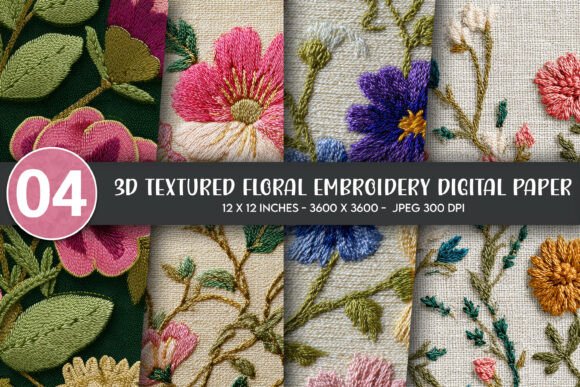
The immediate appeal of the 3D Textured Floral Embroidery Digital is its contemporary botanical style. It doesn’t feel overly traditional or generic. The design has a decorative, almost illustrative quality that suggests it’s meant to be a statement piece. The “3D textured” description hints at layered depth, which, in embroidery terms, often translates to thoughtful use of fill stitches and satin stitches to create visual weight. For a designer, this means it naturally fits projects where the embroidery is the centerpiece: a high-quality tote bag, a premium sweatshirt, or a decorative pillow cover for a boutique.
Evaluating Real-World Embroidery Performance
The product description lists a wide range of uses, from wall art to apparel. For a working embroiderer, this breadth is promising but requires careful scrutiny. My primary concern is always how a digital embroidery file will translate to physical stitching.
Considering Scale and Fabric Type
For items like tote bags or aprons, which use sturdier fabrics, a design with substantial texture can look fantastic. However, when considering baby items like a onesie or a blanket, the stitch density becomes crucial. A overly dense area on stretchy knit fabric can cause stiffness or puckering. Similarly, embroidering on curved surfaces like caps requires a design that can be scaled appropriately without losing its key details. This floral design, with its likely layered elements, would need a test run on scrap fabric to check its behavior on different materials.
The Importance of Detail and Contrast
The term "High-reso" in the description is vital. For commercial embroidery, clean, crisp details are non-negotiable. Small, intricate lines in a floral motif can become lost or blurry if the file isn’t optimized. Before using this for a client’s order, I would always test on scrap fabric, first on a light background and then on a dark one. Checking thread color contrast is part of this process—a design with good contrast will pop on both, enhancing its versatility for custom apparel and handmade gifts.
Practical Application Across Common Projects
Let’s break down how the 3D Textured Floral Embroidery Digital might perform on specific items a small business owner or Etsy seller would typically produce.
- Tote Bags & Pillow Covers: These are likely the best fits. The design’s decorative nature adds significant value. For a finished product, it elevates a simple canvas tote into a boutique-ready item. Using proper stabilizer is key here to support the textured areas.
- Sweatshirts & Hoodies: On knit fabrics, the design’s overall stitch count and density need to be manageable to prevent a heavy, stiff patch. It could work beautifully as a chest logo if scaled correctly.
- Baby Blankets & Kitchen Towels: For gifts, the floral theme is universally appealing. However, items that require frequent washing must have embroidery that withstands it. Tight, dense stitching can sometimes be less durable under repeated washing than more open designs.
- Caps & Patches: This requires significant adaptation. The curved surface of a cap demands a specific hoop size and possibly design adjustment. If the floral design is too wide or detailed, it might not stitch cleanly on a cap’s front panel. As an embroidered patch, however, it could be stunning.
How This Design Affects Your Business & Product Value
Using a high-quality, visually distinct embroidery file like this one isn’t just about making a nice item; it’s about building your brand.
For creative entrepreneurs, the visual appeal of your finished product directly impacts customer engagement and trust. A well-executed, professional-looking floral design on a tote bag suggests care and skill, making it more giftable and increasing its perceived value in product photography for your Etsy listings or website. This design, if it stitches out cleanly, offers brand consistency—you could use it across a line of products, from pillows to mugs (using the printable mockup potential mentioned), creating a cohesive collection.
A Crucial Step Before Selling: File Verification
A critical note for anyone using digital files for commercial embroidery: always, always confirm file details and licensing on the Creative Fabrica product page before selling finished items. The description for this product categorizes it under Illustrations and Graphics. This is important. It may be offered as a graphic file for printable use, not necessarily as a pre-digitized machine embroidery file with specific stitch data. You must verify if it includes actual embroidery formats (like .pes, .dst, etc.) compatible with your machine, or if you need to digitize it yourself for embroidery use. Do not assume stitch count, hoop size, or machine compatibility unless explicitly listed.
Final Thoughts for the Working Embroiderer
The 3D Textured Floral Embroidery Digital presents a compelling visual asset. Its mood is modern and decorative, suitable for a wide array of products that benefit from a bold floral element. For real project use, its worth depends entirely on its technical execution as an embroidery file. If it is provided as a ready-to-stitch design with balanced density and clean detail, it could be a fantastic addition to your library for creating valued handmade products and commercial embroidery goods.
My advice is straightforward. If you are considering it for a real customer order, download it and first use it for a comprehensive test. Inspect the small details after stitching on your typical fabrics. Compare light and dark fabric mockups mentally or physically. Only then can you confidently integrate it into your workflow, knowing it will enhance your finished product and satisfy your clients. That final check is what separates a generic product description from a truly useful design for your business.