A Professional Review of Two Beautiful Flowers Bluework
First Impression: Friendly, Classic, and Versatile
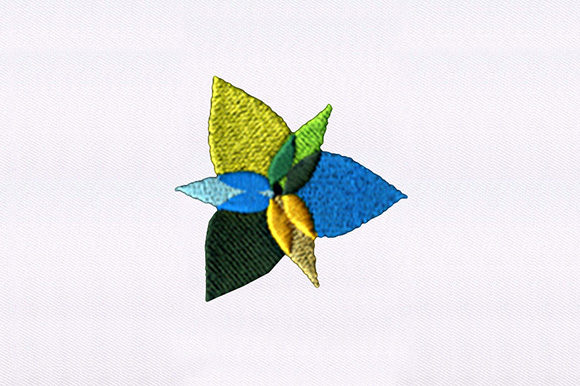
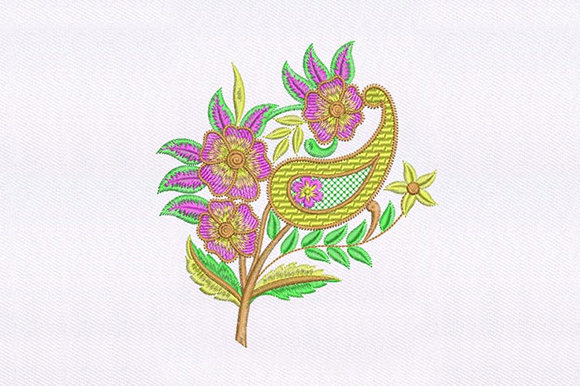
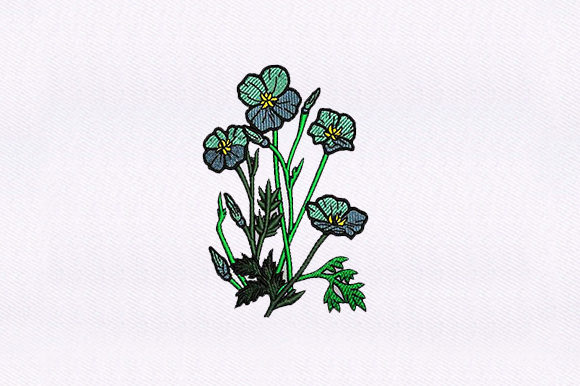
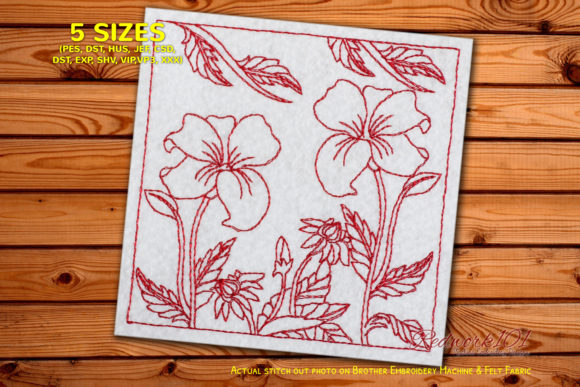
From an embroidery designer’s perspective, Two Beautiful Flowers Bluework presents a classic and welcoming aesthetic right from the title. The image of two blooming flowers with leaves suggests a design that is inherently friendly and approachable, which is a powerful starting point for many small businesses. It doesn’t scream “corporate”; instead, it feels handmade and authentic. The optional Box Stitch detail, where the outer box color is typically different, adds a layer of customizable framing. This gives the design a slightly rustic or decorative border feel, which can be leveraged to make it feel more premium or integrated depending on your brand’s colors. For a café, boutique, florist, or creative studio, this first impression aligns beautifully with a brand identity that values craftsmanship and a warm, personal touch.
Business Applications: From Patches to Product Labels
This machine embroidery design is a versatile asset. Let’s break down its potential in real small business merch scenarios.
Embroidered Patches and Branded Add-Ons
Two Beautiful Flowers Bluework is an excellent candidate for creating embroidered patches. Patches are incredibly popular for merch creators and Etsy sellers. This design can serve as a loyalty patch for a pet brand, a membership badge for a bakery club, or a simple, elegant accent on a boutique’s product packaging. The floral theme is universal and non-invasive, making it suitable as a gift-with-purchase or event merch item.
Uniforms and Apparel Branding
For staff uniforms, this design offers a soft professionalism. Consider it as a chest logo accent on a work shirt for a florist, a subtle sleeve detail on a boutique employee’s blouse, or the central motif on an apron for a café or bakery. The “bluework” color palette implied by the title suggests a cool, calm tone, which can be adapted with your brand’s thread colors. It works well for cap embroidery on the front panel, provided the size is appropriate, and as a clean mark on tote bag design for a handmade shop. Its decorative nature elevates custom apparel without overpowering it.
Product Identity and Handmade Presentation
For product designers and crafters selling handmade goods, this embroidery file can be a key design asset. Embroidering it directly onto the product itself—like on a linen napkin for a café, a tea towel for a boutique, or the corner of a journal for a creative studio—adds immense perceived value. It signals care and attention to detail, enhancing customer trust and engagement. It reinforces a handmade product story perfectly.
Critical Considerations for Commercial Use
While versatile, successful application requires careful planning. Here are key points from a production standpoint.
Size and Placement Challenges
Evaluate Two Beautiful Flowers Bluework at your intended scale. For very small patch sizes or on cap fronts (which are curved surfaces), the detail of two flowers and leaves must remain clear. If the design has intricate outlines or high stitch density, it might lose definition when minimized. Always request or check a preview at your target dimensions. Placement on textured fabrics like thick canvas for tote bags or knit for caps also affects the final look; a proper stabilizer is non-negotiable.
Color and Contrast for Durability
The description notes the box color is often different. This is crucial for thread color contrast. On dark uniforms—like black aprons or navy work shirts—the entire design, including the flowers and potential box, must use threads that pop. A low-contrast bluework design on a dark background may vanish. Furthermore, for items needing frequent washing, such as staff uniforms, a robust stitch structure and color choices that resist fading are essential for maintaining visual consistency and professionalism over time.
Integration with Brand Assets
Before committing to commercial embroidery, view this design beside your other brand assets. Does Two Beautiful Flowers Bluework complement your logo, typography, and overall visual theme? Its classic floral nature is flexible, but the style should harmonize. Creating a printable mockup and placing it on images of your actual products—aprons, caps, bags—is the best way to assess this. It ensures the design enhances your brand identity rather than feeling disconnected.
Practical Designer Notes Before Production
Here is my standard checklist for a design like this before it hits the hoop for a business client.
- Test in Black and White First: Convert the embroidery file to a simple black outline preview. This strips away color and lets you scrutinize the fundamental shapes and spacing of the two flowers and leaves. It’s the best way to see if the composition holds up.
- Review the Actual Embroidery File Details: The product category is Single Flowers and the type is Embroidery. You must confirm the specifics not provided in the description: the exact stitch count, compatible file formats for your machine, the recommended minimum and maximum hoop size, and the thread color list. These are vital for planning production time and cost.
- Test on Real Fabric: Never rely solely on a digital image. Stitch out a sample on the actual fabric you’ll use for the finished product—be it denim for a patch, cotton for an apron, or polyester for a cap. Check for puckering, thread tension, and overall clarity.
- Confirm Commercial Licensing: As a digital embroidery file buyer for business use, explicitly verify that your purchase includes a license for commercial embroidery. You need the legal right to reproduce this design on products you sell or use for business branding.
- Client Approval via Mockup: If you’re an embroidery shop or decorator producing for a client, create a realistic mockup for their approval. This prevents misunderstandings and ensures the design meets their expectations for their branded merchandise.
Final Thoughts on Value and Recognition
Two Beautiful Flowers Bluework, when applied thoughtfully, is more than just decoration. For a small business, it becomes a mark of authenticity. On a uniform, it builds a cohesive and professional team image. On merchandise, it increases product value and serves as a subtle, recurring brand element that fosters customer recognition. Its floral theme is inherently positive and connects with audiences in lifestyle, food, creative, and retail sectors. By paying attention to the practical embroidery considerations outlined above, you can transform this embroidery design into a reliable, beautiful asset for your brand’s physical presence across patches, apparel, and handmade goods.